Most answering services are built for offices. Law firms. Medical practices. Businesses with a front desk, a waiting room, someone whose whole job is answering the phone.
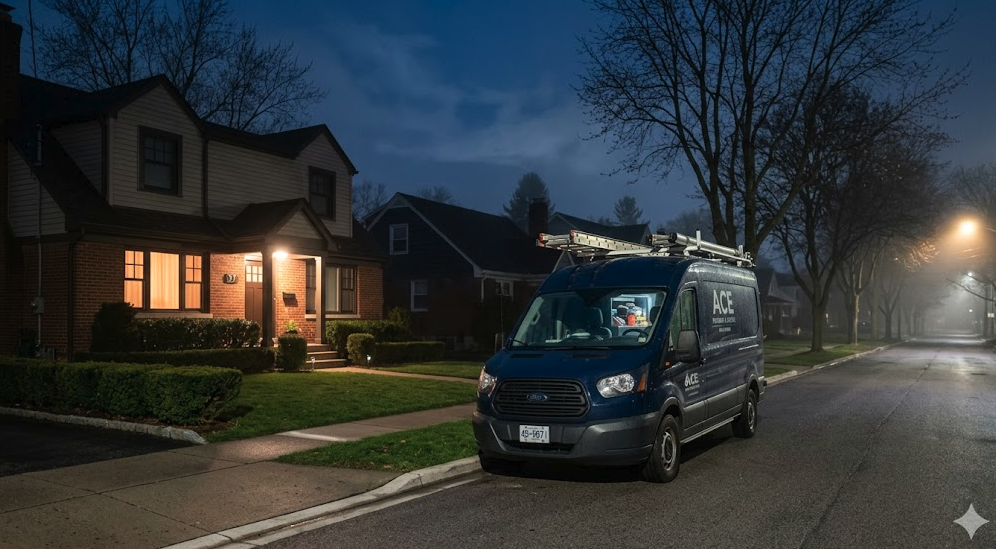
You don't have any of that. You have a truck, a crew (or just yourself), and a phone that rings when you're usually doing something with your hands.
The services built for offices will take your calls. They just won't feel right. The agents won't know what a p-trap is. They'll say "your business" instead of talking to you. They'll push features you don't need and make you manage dashboards you'll never open.
This is how to find one that actually fits the work you do.
There are roughly three types of answering services worth considering for a plumbing operation:
Live answering — trades-focused. Real people, trained on home services and the trades, answering in your name. They know the vocabulary. They know the difference between a routine quote request and a caller who needs someone there in the next hour. This is the highest-quality option. It's also the most expensive, usually priced by the minute.
AI answering. Newer, and worth taking seriously. An AI picks up, has a real conversation, collects what's needed, books the job. No human agent involved. Covers calls at any hour. Costs a fraction of live answering. For straightforward inbound calls — which is most of them — it works well. Setup is fast. No learning curve.
General live answering. Large call centers that serve every kind of business. Cheaper than trades-focused live services, but you're getting generic. They'll follow your script, but they won't know the context behind it. Works fine if you put in the time to train them. Works poorly if you don't.
For most owner-operators running a small crew: AI answering is worth starting with. The economics are clear, the setup is fast, and one booked job covers months of cost. If you find you need something more, you can upgrade. But most plumbers find they don't need to.
Before you sign anything, get answers to these:
Who answers at 10pm on a Sunday? Some services have full coverage and some don't. Get a direct answer. "Our system handles after-hours calls" is not the same as "a trained agent picks up." Know what you're actually getting.
What happens when a caller says it's an emergency? Walk them through the scenario. Active leak, water's coming through the floor. What happens next, step by step? You want a clear escalation chain — not a vague promise that emergencies are handled.
Does it connect to your scheduling software? If the service takes a message and emails it to you, you've created follow-up work. If it books directly into Jobber, Housecall Pro, or whatever you use, the job's done without you touching it. That's the version you want.
Can you write your own call script? The answer should be yes. How you greet callers, what questions you ask, what counts as urgent, what to do with estimate requests — you should control all of that. If they lock you into a template, keep looking.
What does a call summary look like? Ask to see a sample. It should be short, readable, and useful — not a raw transcript or a recording you have to listen to. Name, number, what they need, how urgent. Everything you'd want to know before calling back.
What are the contract terms? Month-to-month is the right starting point. Any service confident in what they offer won't need to lock you in for a year. Sign short until you know it's working.
Office language in a trades context. If a service talks about "front desk experiences" and "professional call handling," they're writing for a law firm, not a plumbing operation. The person reading a job summary in a truck doesn't need it dressed up.
Too many features. You don't need a CRM, a call analytics dashboard, conversion tracking, or lead scoring. You need the call answered and the job booked. Services that lead with features are often solving problems you don't have.
Vague answers about emergencies. If you ask how they handle an urgent call and the answer is "we follow your instructions," push harder. They should have a clear, practiced protocol. Vague means they haven't thought it through.
Pressure to sign long. A service that needs a 12-month commitment to let you try it is not confident you'll stay. Start month-to-month.
Once you've picked a service, test it before it's live.
Have someone call your number as if they're a new customer — first a routine request, then something urgent. Listen to how it goes. Was the call answered fast? Did the agent or AI handle the urgency correctly? Did you get a clear summary?
Do it at a few different times, including an evening. Then decide.
A service that looks good on paper but fumbles the test call isn't ready for your customers.
You already know you're missing calls. You know some of those calls are going to whoever picked up next. The question isn't whether to fix it — it's which fix fits the way you work.
For most plumbing owner-operators, that's a simple, fast answering service that runs in the background and doesn't create new things to manage. Calls come in. Customers get answered. Jobs get booked. You find out when you're done with the one you're on.
That's it. Find the service that does that cleanly and doesn't make you think about it.
Volley is built for plumbing and HVAC owner-operators. Live in minutes. No tech team needed. Every call caught before it drops.